
FOUNDATIONAL CONCEPTS
COLLECTIVE
YEAR LONG VIRTUAL CIRCLE
STARTING JANUARY 12, 2027
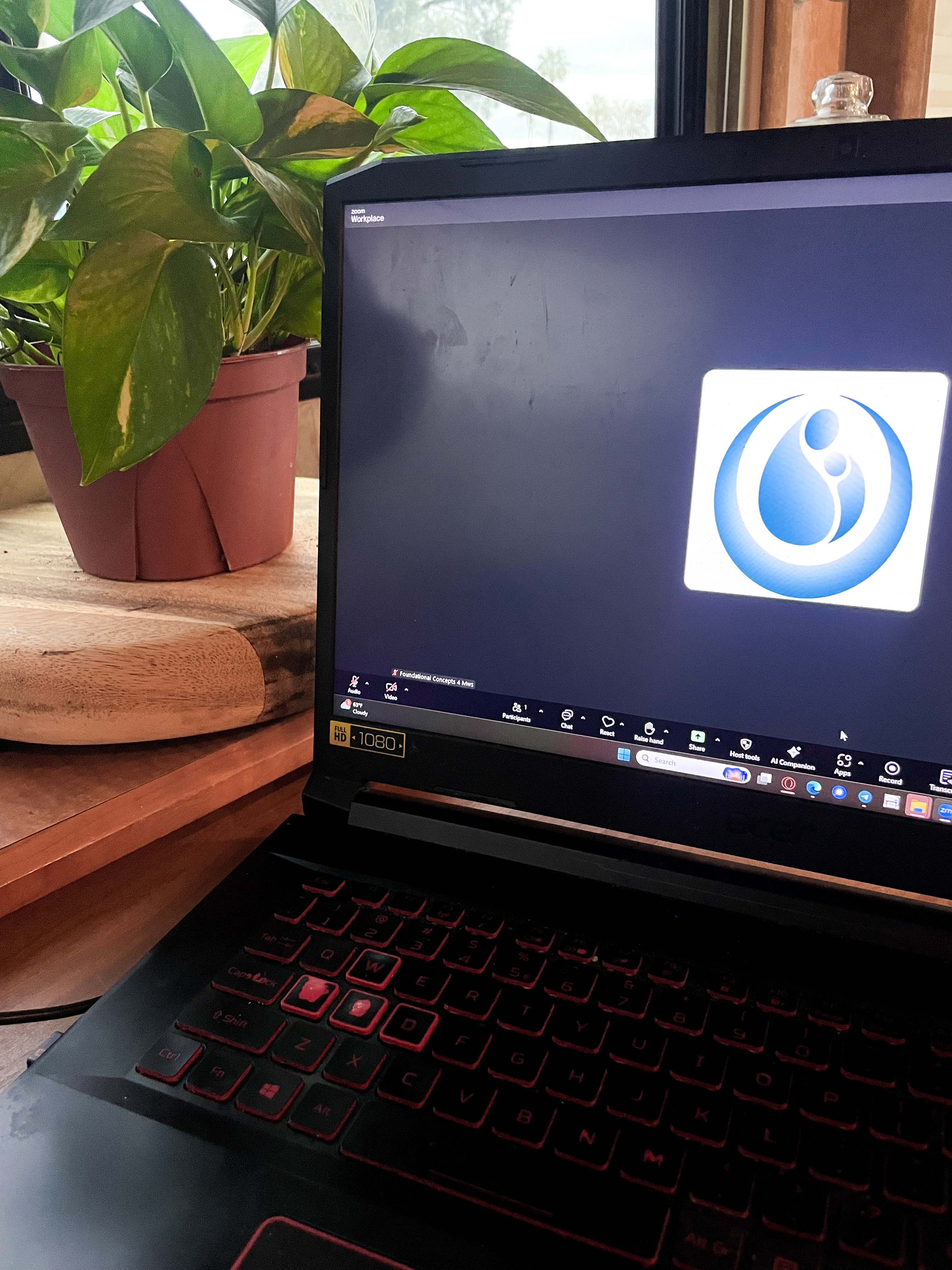
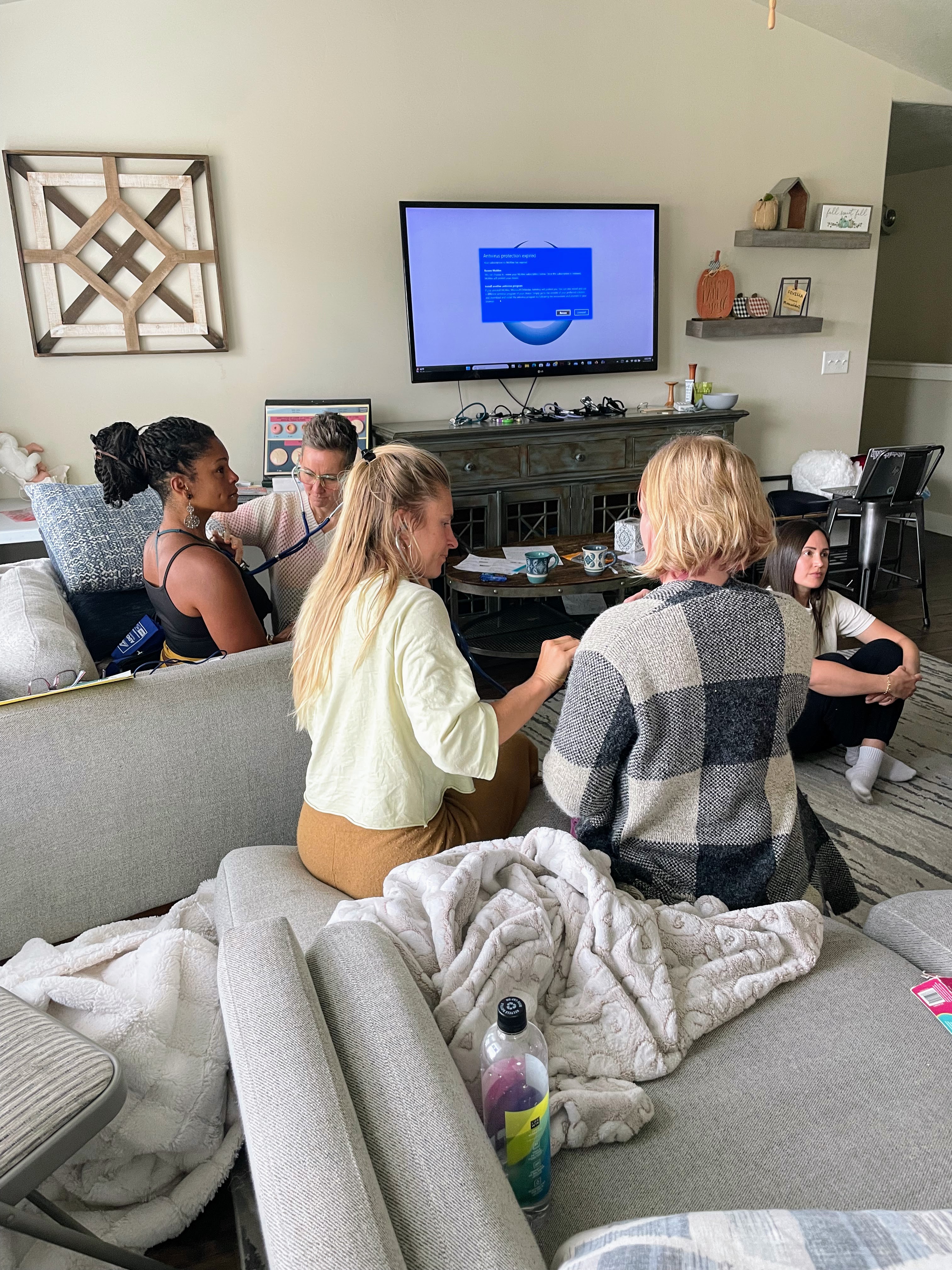
Foundational Concepts Collective is an online community for those interested and curious in exploring a deeper understanding of physiological birth intertwined with modern midwifery; created in response to requests from midwives and birthworkers looking for mentors, peers, and an immersive experience from the comfort of their home and community.
Our journey together will last a full year, presenting various topics through storytelling over three LIVE Zoom meetings per month, Intro to Restorative Peer Review®, and Fireside Chats to bring every Passage/Module full circle.
"NOT FOR THE WEAK, BUT SACRED WORK NEVER IS"
- Sarita Bennett
DETAILS
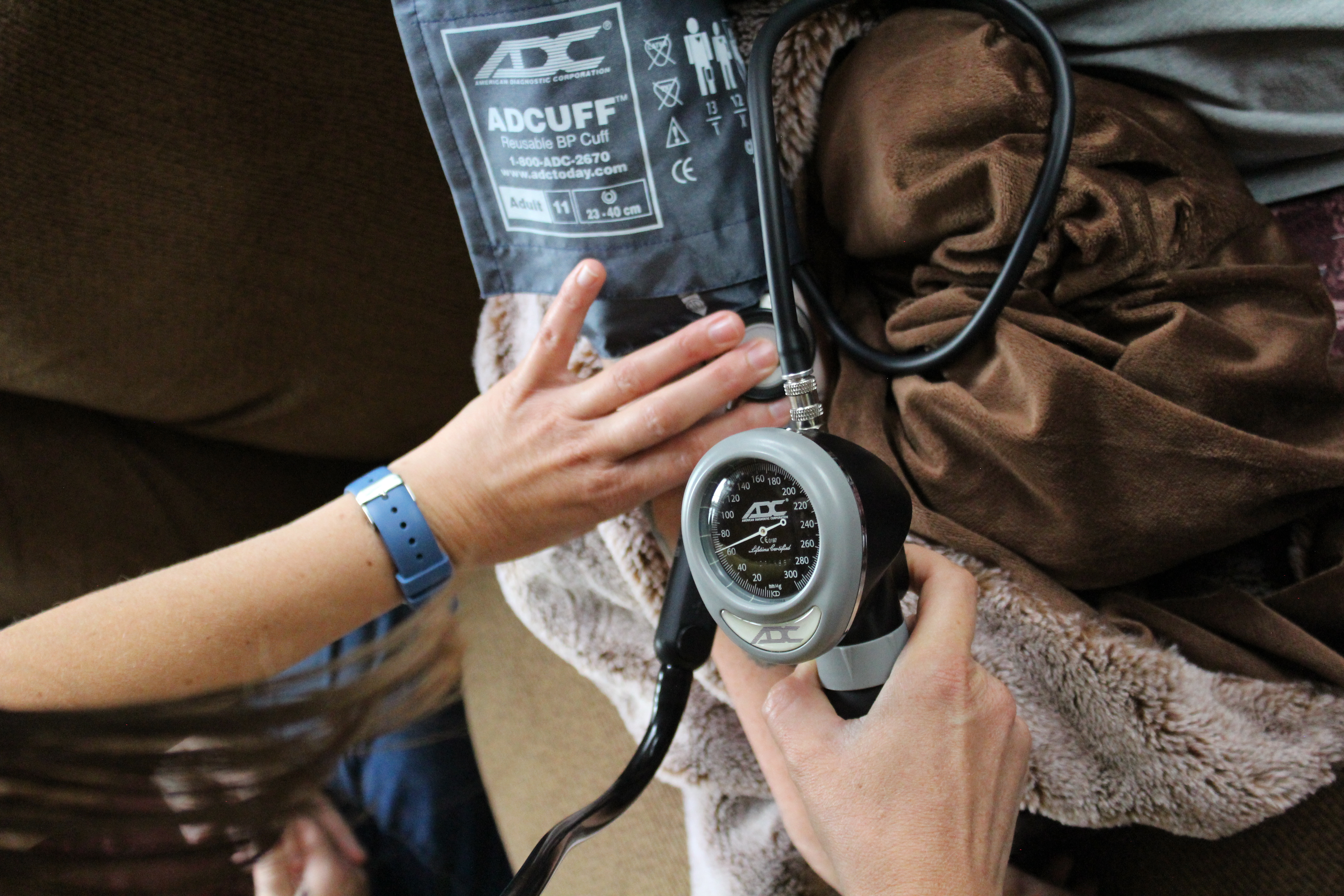
One year online program with 3 live Zoom calls a month. We will meet on Tuesdays for 2.5 hours beginning at 10am PST
20 person private community
Workbooks to guide our collective growth opportunities for group projects
From a past Participant:
The teachings in this course touched me in a way I didn’t expect. In my 2.5 years of birth work, I’ve never experienced anything like it. I found myself letting go of old assumptions about what Midwifery is, and instead walking away with a deeper sense of humility, purpose, and connection to true community care. ~ Shavon
"Being 100% present is an essential midwifery skill. While we do plenty of tangible skills, what makes us (FC4MWs) different is our emphasis on intangible skills as just, maybe more, as important. Awareness and authenticity, just to name a couple."
- Sarita Bennett
FINANCES
PAYMENT PLANS:
- Every three months (4 payments of $900 +$50 processing fee per payment)
- 50% down the other half at six months (2 payments of $1,800 +$50 processing fee per payment)
- Pay in Full (1 payment of $3,600 upon registration)
Monthly Presentations
The first of our three monthly Zoom meetings
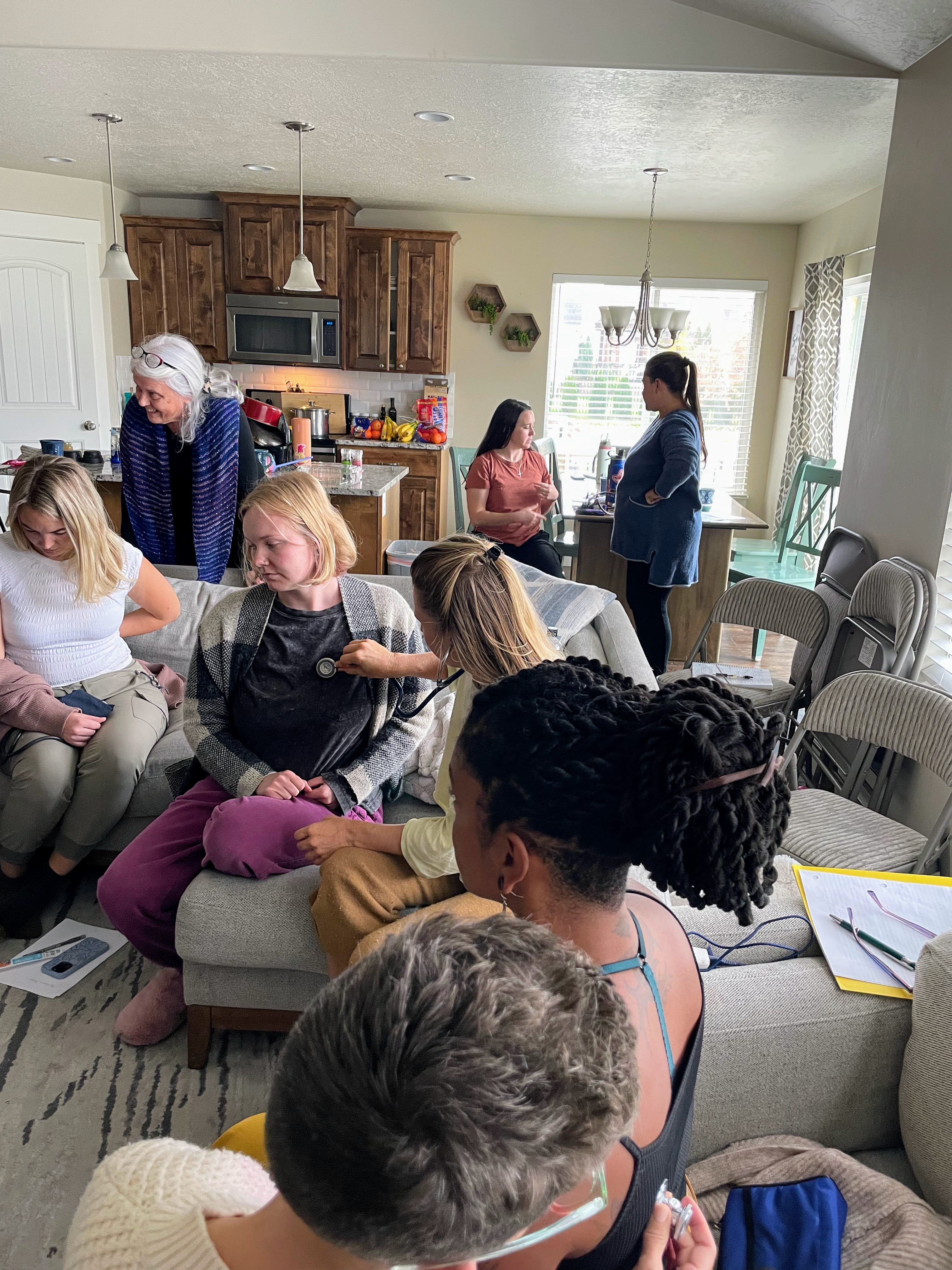
Once a month, we will all come together for a presentation centered on the foundational concepts of midwifery. Topics include clinical knowledge and traditional practices to foster introspection and self-actualization, enhancing our shared understanding and commitment to families. We conclude with questions and discussions, furthering collective learning, reflection, and connection.
All videos will be recorded and made available to cohort participants.
First Quarter Of Our Year
- Month 1: Our time together begins with a session that is aimed at remembering who we are as humans, focusing on the effects of survival instincts on our lives today; our thinking and behavior will be thoroughly discussed as we look at how our hormone cycles flow throughout our lifespan. Shifting power dynamics create healthier relationships and communities setting the stage to understand the foundational concepts of midwifery.
- Month 2: We know that the best way to take care of the baby is to take care of the mother. We’ll take a deep dive into the key ingredients for vitality, how to implement each one in an individual and holistic way, beginning with the first prenatal visit and continuing throughout the childbearing year.
- Month 3: What is our work prenatally? We’ll walk through the routine tests that are available – Why, when, and alternatives. What do the results mean? Is it GDM? What do we do about that? Is it Pre-eclampsia or HELLP? Can we prevent it? What about preterm birth?
Second Quarter Of Our Year
- Month 4: Herbs and homeopathy are covered here: what are the basics of identifying, harvesting, and preparing common herbs used in pregnancy and childbirth? The basics of making and using infusions, poultices, tinctures, oils, and salves. How and why does homeopathy work? What do you need to know to carry and use these remedies in your birth bag?
- Month 5: Labor mechanics and how do we avoid maternal exhaustion? How do the uterus and brain communicate? How does the baby participate? We’ll go deeper into the normal physiology of birth to understand why it works the way it does, recognizing it as a “manifestation of the spirit through a physical act”. And, of course, we’ll talk about placentas.
- Month 6: Transitioning from pregnancy to postpartum – the importance of the golden hour for bonding, lactation and long-term health. Recognizing the wisdom of the newborn, following its lead, and learning its language.
Third Quarter Of Our Year
- Month 7: A review of the cardiac and pulmonary transition newborns experience as they become an air breather, taking us deeper into understanding what the newborn’s priorities are and how we can best support them. When do we intervene and why? What happens when resuscitation doesn’t work? What does neonatal transport look like?
- Month 8: Insight into the complexities of fetal presentation, including posterior, asynclitic, breech and face presentations, or twins. How do we recognize and support these variations? What do they feel like to the mother? To our hands? We’ll look at normal vaginal breech physiology and how to help when needed. What are the different combinations? What is important? How do we prepare to help with those births and support recovery?
- Month 9: Given the high rate of people who experience one surgical birth in our population, talking about the choice of VBAC at home becomes a natural outcome. We’ll take a walk through the world of surgical birth with an eye towards understanding options and risks, looking at the data we have on VBAC and how to prepare for VBAC success prenatally. What to think about, warning signs, and steps to creating family centered cesareans.
Fourth Quarter Of Our Year
- Month 10: True emergencies can happen, often unpredictably. Let's gain an essential understanding of how a well-oiled team can recognize and respond to time-sensitive emergencies, including fetal distress, shoulder dystocia and umbilical cord prolapse.
- Month 11: Postpartum bleeding…how much is too much? Can we prevent or predict it? This session will give us a clear path to determining the cause, making our responses more useful and effective. How do we support postpartum recovery? When is maternal transport appropriate and what does that look like?
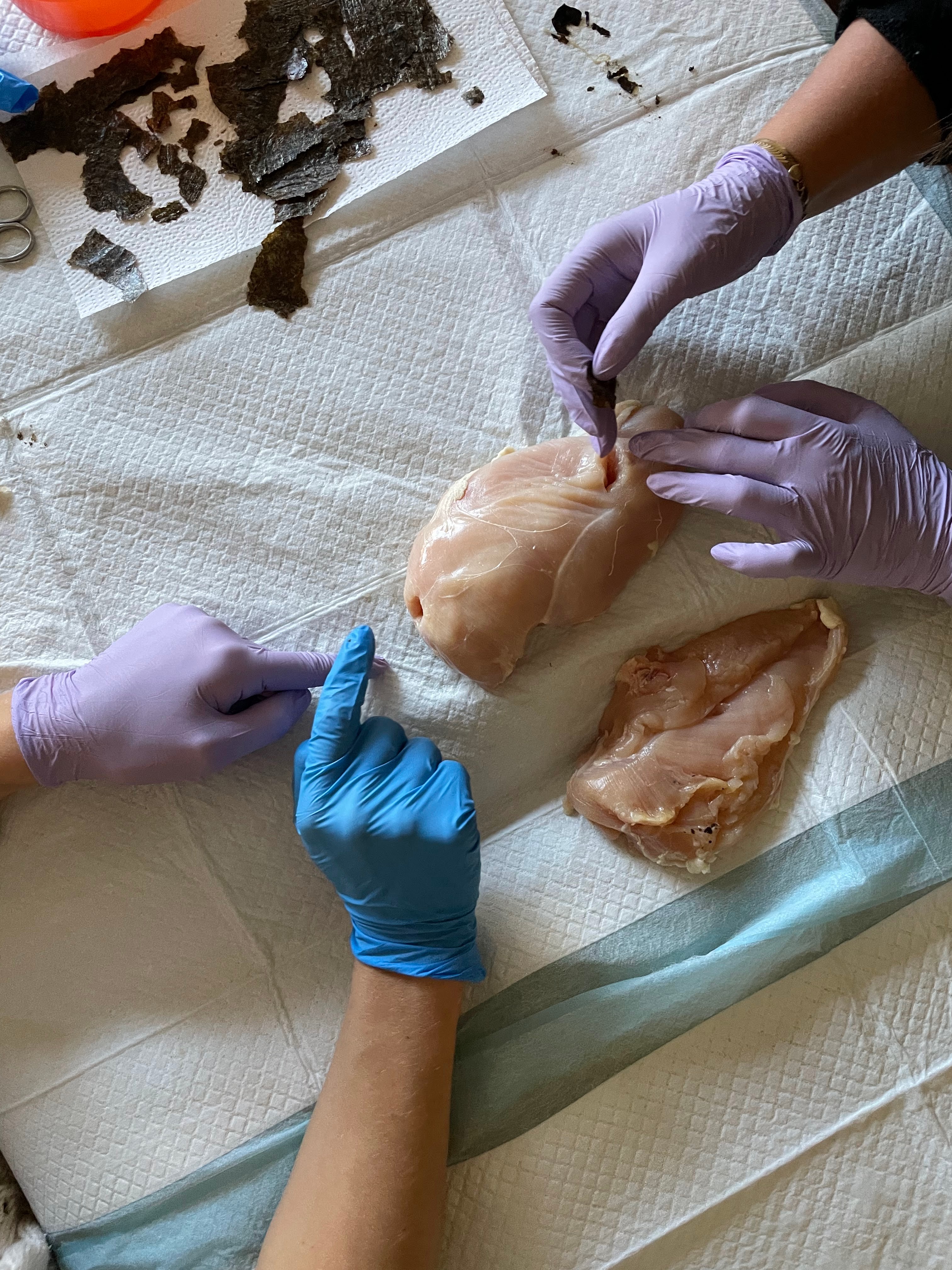
- Month 12: Our focus on understanding pelvic anatomy improves our ability to assess perineal and labial lacerations. We’ll discuss the risks, benefits and alternatives of repair; including the basics of suturing and using seaweed, emphasizing the importance of minimizing pelvic weakness in future pregnancies and beyond.
intro to Restorative Peer RevieW®
The second of our three monthly Zoom meetings
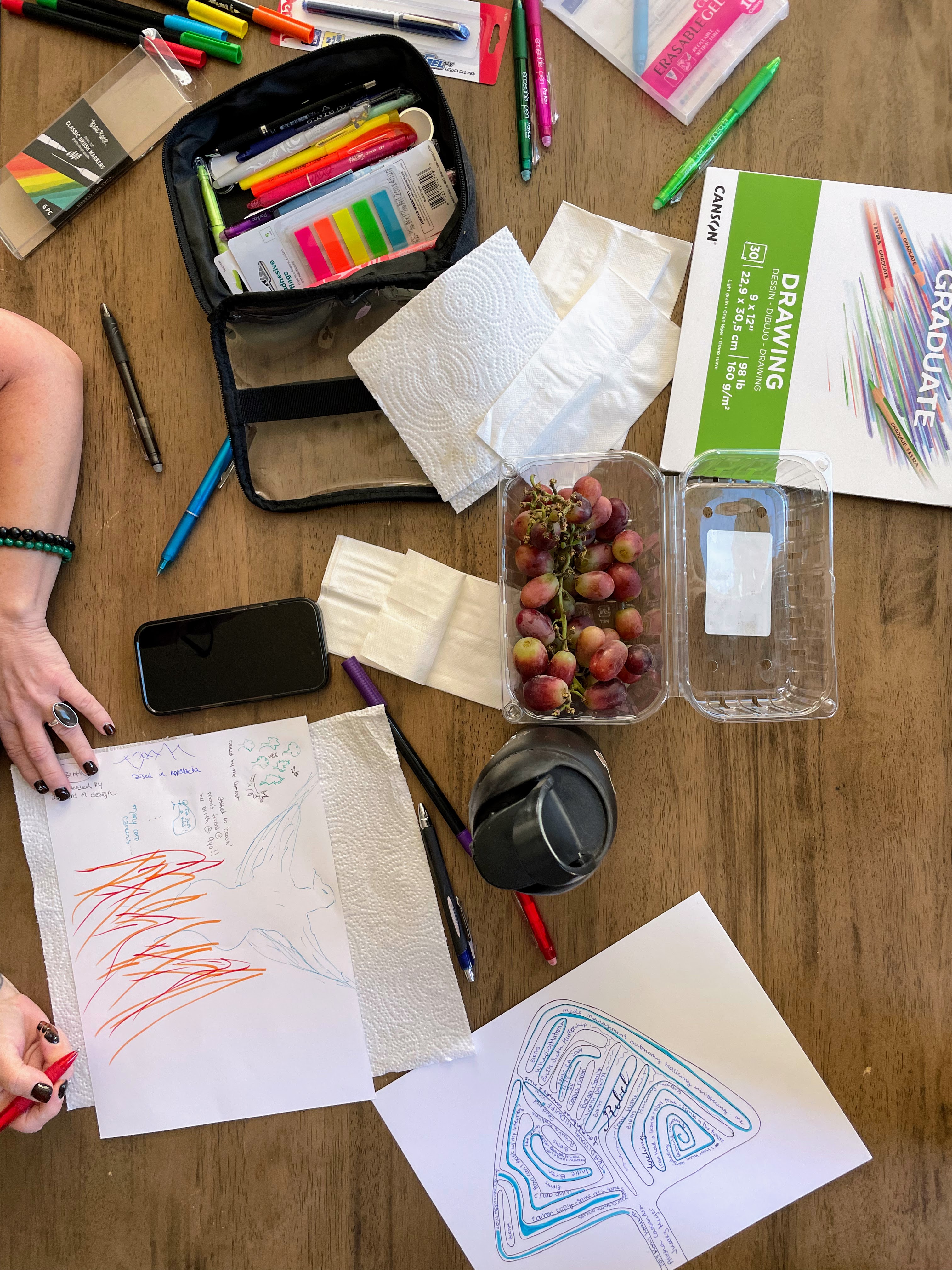
During our year together we will be presented with birth stories from the midwife's perspective. This allows us the opportunity to explore restorative justice principles in the vein of birth work. We will dip our toes into...
Restorative questions
Genuine curiosity
Discerning if we're motivated by bias or ideologies
Internal Accountability Systems
Consensus Decision Making
Restorative and constructive feedback rather than Punitive feedback
Listen for and ask questions in search of System Breakdowns and Knowledge Gaps
Due to the sensitive and private nature of these conversations, these Intro to Restorative Peer Review® calls will not be recorded.
THIS IS FOR YOU IF YOU'RE...
An Independent or Licensed Midwife
Hungry to be surrounded by mentors and peers also seeking to create safety and healthy communities
Willing to hear wisdom even if it doesn't align with your current world view
A Student Midwife
A Birth Keeper
A Doula
Willing to question what you already know
Ready to confront your biases and idealogies
Fireside Chats
The third of our three monthly Zoom meetings
These gatherings usually happen around a firepit in someone’s backyard - but since we’re meeting virtually, we aim to bring the same intimacy and safety into this space. Full participation is expected: cameras on, no multitasking, and earbuds or headphones in to respect the privacy of those sharing.
First Quarter Of Our Year
- Month 1: Our first fireside chat includes the discussion of our core values. How do we build communities that share our core values?
- Month 2: Continuing with our topic this month, we will discuss how implementing the Sacred Seven in our own lives is essential and often difficult. We’ll sit by the fire and talk about ways to care for ourselves as well as others.
- Month 3: What does autonomy truly look like in today’s world? How do we simultaneously honor ourselves and our clients?
Second Quarter Of Our Year
- Month 4: This month we will gather and discuss Reproductive Rights, the impact of recent abortion bans and the effect on women’s healthcare (especially in marginalized communities) and how we can offer resources and education regardless of our own personal beliefs, politics or biases.
- Month 5: Our fireside chat this month will take us into understanding our own trauma, recognizing the trauma of others and when outside professional help is needed. How do we help partners and family members recognize when to call for help?
- Month 6: At the halfway mark of our year together we will take this time to collect by the fire and share our progress and expectations for the next half of our year.
Third Quarter Of Our Year
- Month 7: This fire will expose our vulnerabilities as we discuss loss and grief, the event that can truly make or break us as midwives. How do we support loss and grief in our own practices and as a community?
- Month 8: We’ll move to the fire and talk about being in the fire - what to do when there is a lawsuit, an investigation or an arrest; and more importantly, what not to do. Whether it is us, a community member or a midwife from afar, this discussion is essential for systems level change.
- Month 9: A dysfunctional birth team, or an unhealthy member of a team, can become the biggest risk factor in an otherwise straightforward birth. Our chat will be all about the well-oiled team.
Fourth Quarter Of Our Year
- Month 10: After the heavy lifting of this month’s topic of ‘birth complications’, we’ll shake it off by doing some brainstorming - what does a healthy birth culture look like and what part do we play?
- Month 11: During this fireside chat we will gather and discuss how far we have come in our year. What beliefs and perspectives have shifted, affecting your communities and individual practice?
- Month 12: We will be closing our year together by the fire with Ceremony. Celebrating each of you and our collective community.
ApplY for our JANUARY 12, 2027 cohort

TRADITIONAL MIDWIFE
ROWAN BAILEY
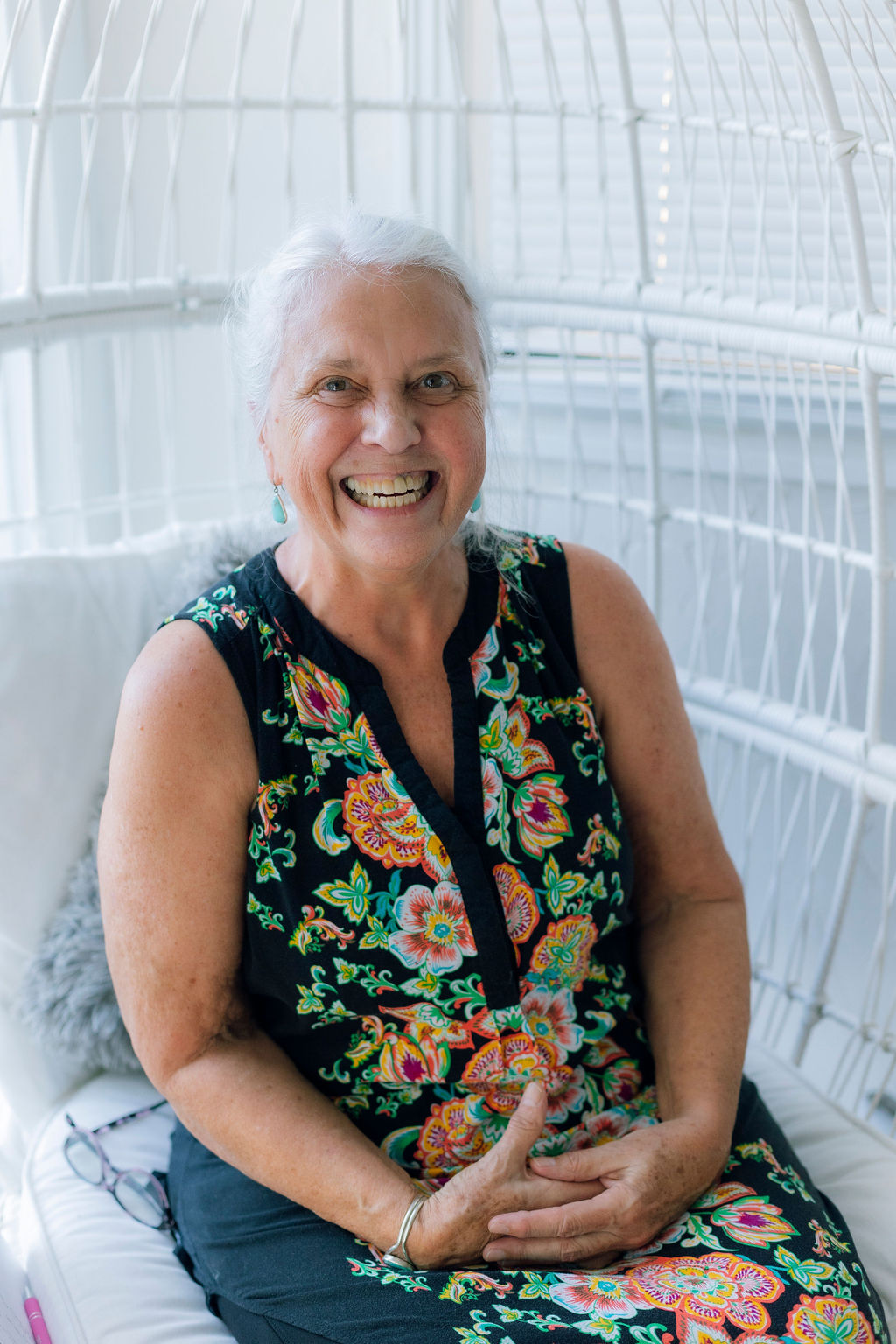
RETIRED MIDWIFE AND OSTEOPATH
SARITA BENNETT
Get to know us and our hearts behind this mission!
With a start date of January 12, 2027 applications are open! Let us get to know you!
Facebook
Instagram
Youtube